Top 5 Signs Your Standby Generator Needs Repair in Melbourne, FL—Before It Fails You
April 16, 2025 · 5 min read
When the power goes out, your standby generator is there to save the day, ensuring your home stays powered during an outage. But like any mechanical system, your standby generator requires regular maintenance and timely repairs to continue working when you need it most. As a trusted generator services contractor in Melbourne, FL, we’re here to help homeowners identify the signs that their standby generator needs repair before it fails.
Recognizing the warning signs early can prevent costly damage and ensure your home remains protected. Here are the top 5 signs that your standby generator might need repair in Melbourne, FL.
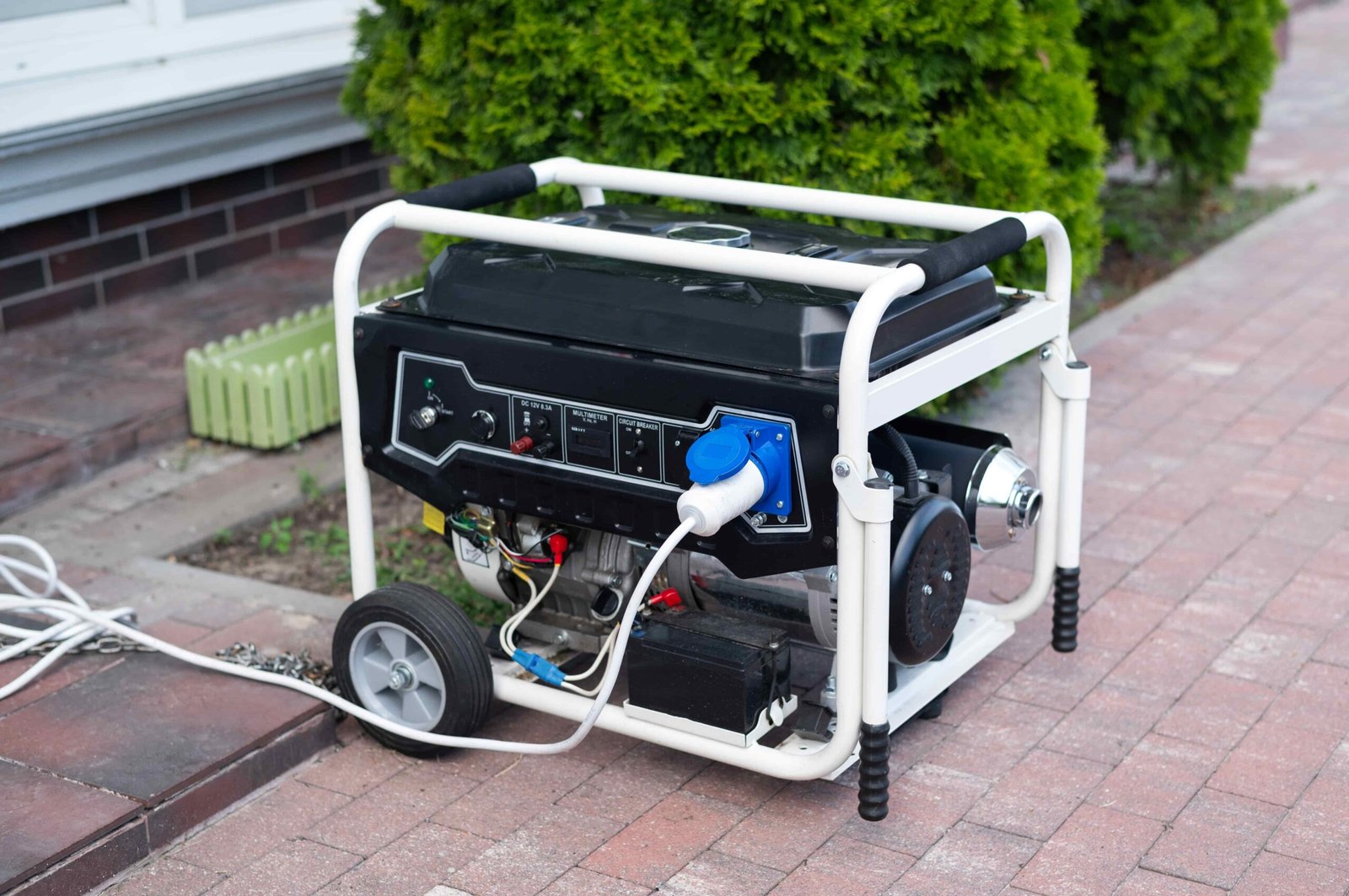
When you rely on a standby generator for backup power, you need it to be as reliable as possible. Regular maintenance and timely repairs are essential for ensuring that your generator operates smoothly when you need it most.
Waiting too long to address issues with your standby generator can lead to more significant problems down the line, including system failure during an outage. Repairing minor issues promptly can extend the life of your generator, save you money on more extensive repairs, and give you peace of mind knowing that your generator is ready when the power goes out.
1. Generator Doesn’t Start Automatically
One of the most common signs that something’s wrong with your standby generator is if it doesn’t start automatically when the power goes out. A standby generator is designed to kick on instantly when there’s an outage, but if you notice that it’s failing to do so, it could indicate a problem with the transfer switch, the battery, or the control board.What to Check:
- Transfer switch: The transfer switch is responsible for detecting the power loss and signaling the generator to start. If this component fails, the generator won’t start automatically.
- Battery: A low or dead battery can prevent the generator from starting up.
- Control board malfunction: The control board manages the operation of the generator. If it malfunctions, the generator may fail to start.
2. Unusual Noises During Operation
Generators are meant to run quietly, with only the usual hum of a functioning machine. If you notice loud or strange noises coming from your standby generator, it could signal internal issues. Grinding, knocking, or squealing sounds often point to mechanical problems, such as a worn-out part or an issue with the engine.What to Check:
- Loose or damaged parts: Components such as belts, bearings, and engine parts can wear out over time and cause unusual sounds.
- Fuel issues: Low fuel or a clogged fuel line can lead to erratic generator operation and noise.
- Exhaust problems: An issue with the exhaust system may cause the generator to produce abnormal sounds.
3. Generator Struggles to Start or Runs Roughly
If your generator takes longer than usual to start or runs rough, it may be a sign of a deeper problem. A generator that starts slowly or stumbles when it runs can indicate fuel or electrical system issues. If this continues, it can affect the overall performance of the unit, making it less reliable during an outage.What to Check:
- Fuel quality: Old or contaminated fuel can prevent the generator from starting properly. Consider draining the old fuel and refilling it with fresh gasoline or propane.
- Spark plugs: Worn or dirty spark plugs can lead to difficulty starting or a rough running generator.
- Carburetor issues: A clogged carburetor can prevent fuel from flowing properly, causing rough operation.
4. Frequent Overheating
Overheating is a serious issue that can cause permanent damage to your standby generator if left unchecked. If your generator is overheating, it’s not only a sign that something is wrong, but it also indicates that the unit may not be able to handle the power demand placed on it.What to Check:
- Airflow blockages: Make sure there’s no debris or dirt obstructing the air intake or exhaust. A lack of proper ventilation can cause the generator to overheat.
- Low coolant levels: If your generator uses coolant, low levels can lead to overheating. Check coolant levels and top them off if necessary.
- Cooling fan malfunction: The cooling fan keeps the engine temperature regulated. If the fan isn’t working, the generator can overheat quickly.
5. Frequent Tripping of the Circuit Breaker
If your generator frequently trips its circuit breaker, it’s a clear indication that something’s wrong with its electrical system. A tripped breaker means the generator is either drawing too much power or has a faulty component.What to Check:
- Overloading: Ensure that the generator is not being overloaded by the number of appliances connected to it. Excess demand can trip the circuit breaker.
- Electrical wiring issues: Damaged or loose wiring could cause shorts or power surges that trip the breaker.
- Faulty circuit breaker: The circuit breaker itself may be damaged or malfunctioning, requiring a replacement.
 Why Timely Repairs Are Crucial for Your Standby Generator in