
Blog: Whole House Generators in Tampa FL: A Local Homeowner's Guide
October 25, 2026 · 8 min read
What does a whole house generator do, and do I really need one in Tampa?
A whole house generator automatically powers your entire home the moment the grid goes down — no extension cords, no manual startup, no sitting in the dark. In Tampa, where hurricane season runs from June through November and tropical storms can knock out power for days at a time, a standby generator isn't a luxury. For most homeowners, it's the most practical investment they can make before a storm hits.
How long does it take to install a whole house generator in the Tampa area?
From your free on-site evaluation to a fully permitted, inspected, and commissioned installation, most Tampa-area homeowners are looking at two to four weeks. The bulk of that time is permit processing — not the actual installation work. Wheeler Generators keeps generators in stock, so once your permit clears, the install happens fast. There's no waiting on a weeks-long backorder after permits are approved.
How do I choose the right generator size for my Tampa home?
Sizing a whole house generator depends on your home's square footage, the appliances you need to run, and whether you have a well pump, electric HVAC, or medical equipment. A 22 kW unit handles most average-sized Florida homes comfortably. A certified technician needs to do a proper load calculation on-site — a number pulled from a website without seeing your panel is just a guess.
This guide covers everything Tampa homeowners need to know about whole house generators: how they work, what the installation process looks like, what to look for in a dealer, and how to get started before the next storm season sneaks up on you.
Why Tampa Homeowners Take Generator Power Seriously
Tampa sits squarely in one of the most hurricane-exposed corridors in the United States. According to the National Hurricane Center, the Tampa Bay area has historically been considered one of the most vulnerable major metro areas to storm surge and sustained wind damage in the country. That risk is real, and so is the aftermath: extended outages measured in days, not hours.
Spoiled food, no air conditioning in Florida heat, a sump pump that can't run, medical equipment that needs power — these aren't minor inconveniences. They're the kind of problems that send families to hotels or relatives' homes for a week. A whole house standby generator eliminates all of that. It detects the outage, starts automatically, and keeps your home running within seconds — whether you're there or on the other side of the country.
What Happens During a Whole House Generator Installation?
Most homeowners have a rough idea of what a generator is, but fewer understand what the installation actually involves. Here's how it works with Wheeler Generators:
- Free on-site evaluation. A certified technician visits your home — available seven days a week, 8am to 8pm — to assess your electrical panel, calculate your load requirements, measure the install location, and help you choose the right unit and fuel source (natural gas or propane).
- Equipment selection and permitting. Once you've chosen your generator, Wheeler pulls the permits. This is where the in-house electrical contractor license (Vulcan EC13007281) matters — everything is handled by the same company, not subcontracted out to an unknown third party.
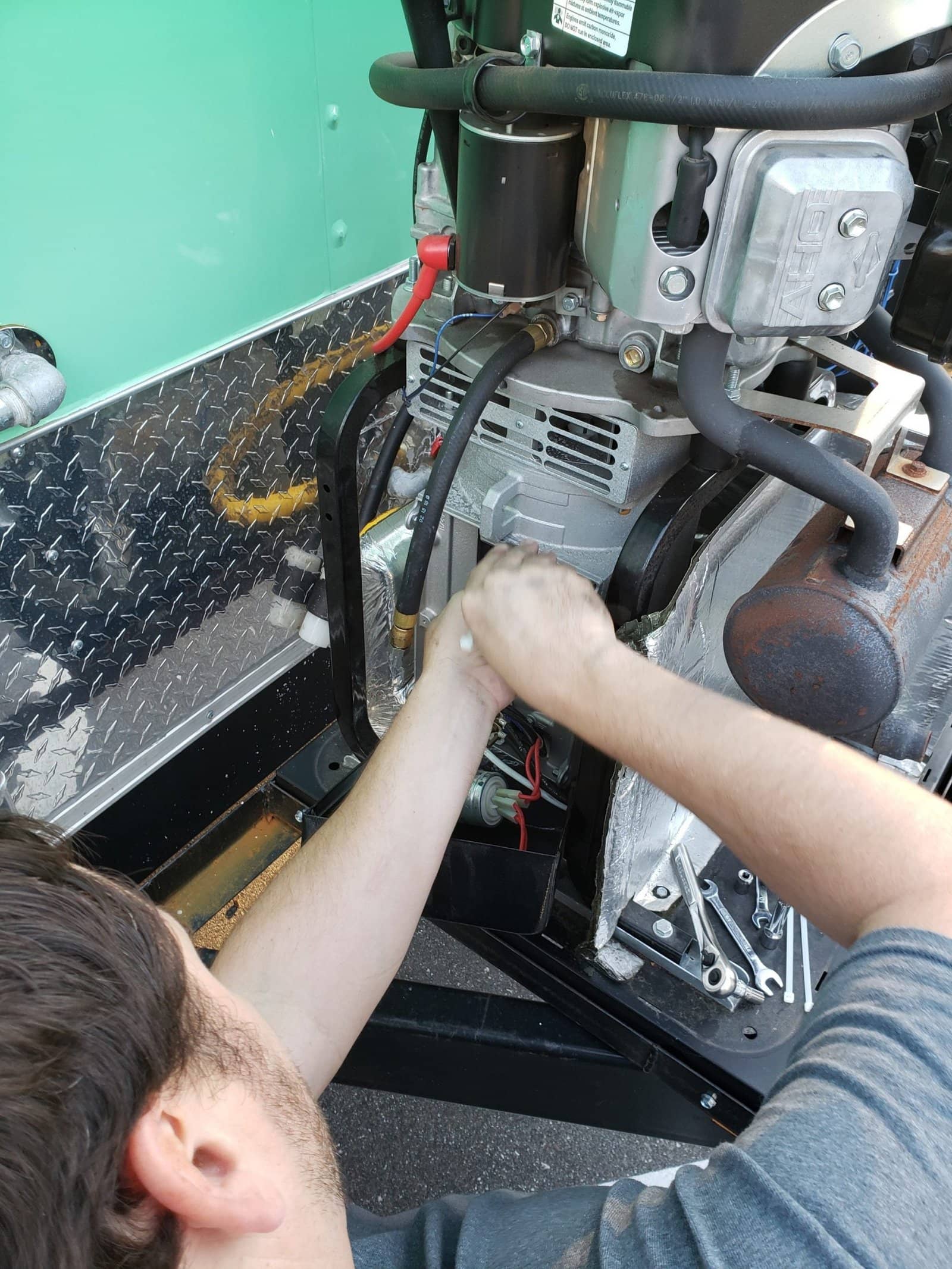
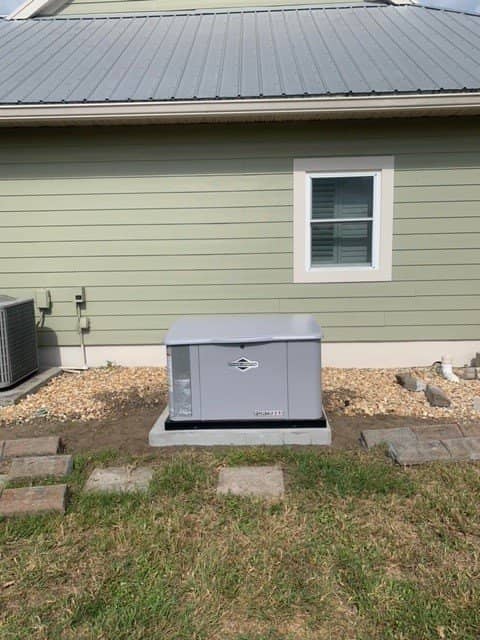
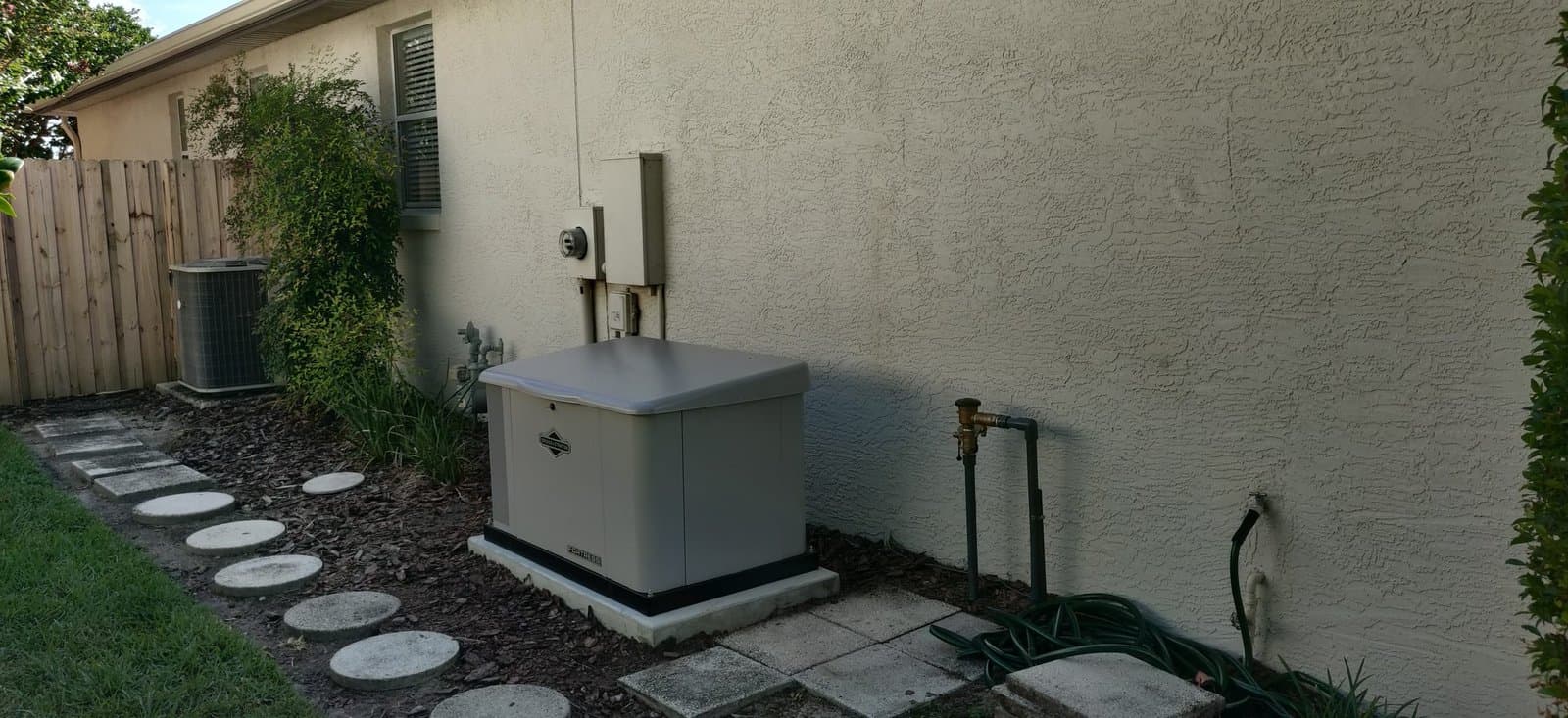
- Installation with automatic transfer switch. The generator is set on a concrete pad, connected to your fuel supply, and wired to an automatic transfer switch (ATS) at your electrical panel. The ATS is what makes the whole system automatic — it detects a power failure and starts the generator without any action from you.
- Inspection and final walkthrough. After the local inspection clears, a technician walks you through the system: how to check it, what the indicators mean, and how to schedule ongoing maintenance.
If you're curious how this compares to the experience homeowners in nearby markets are having, the piece on Why Melbourne FL Homeowners Are Switching To Whole House Generators And How You Can Too covers similar ground from a slightly different angle.
Standby Generator vs. Portable Generator: What's the Real Difference?
| Factor | Whole House Standby Generator | Portable Generator |
|---|---|---|
| Startup | Automatic — seconds after outage | Manual — you pull the cord |
| Coverage | Entire home, all circuits | A few appliances via extension cords |
| Fuel | Natural gas or propane — always ready | Gasoline — you must store and refill it |
| Safety | Installed outdoors, properly vented | Carbon monoxide risk if used improperly |
| Permits required | Yes — properly licensed and inspected | No — no inspection, no accountability |
- Startup: standby generators start automatically vs. manually pulling a cord on a portable
- Coverage: whole home on standby vs. a few appliances on extension cords
- Fuel: natural gas or propane always on tap vs. gasoline you have to store and find mid-storm
- Safety: properly installed and vented vs. real carbon monoxide risk with portables used indoors or in garages
- Oversight: permitted, inspected, and warranted vs. no accountability whatsoever
If you've been on the fence about whether this investment makes sense, the page on Are Whole House Generators Worth The Money breaks down the real-world value in plain terms.
What Makes Wheeler Generators the Right Call for Tampa Homeowners?
There's no shortage of electricians and handymen who'll offer to put in a generator. The difference is in the details. Wheeler Generators is an authorized dealer for Generac, Kohler, Briggs & Stratton, and Champion Power Equipment — which means factory-trained technicians, valid warranties, and access to genuine parts. They also service roughly 75% of all generator makes and models, so if you already have a unit that needs repair or maintenance, they can handle that too.
The in-house electrical contractor license (Vulcan EC13007281) means permits are pulled correctly and the work passes inspection — every time. No subcontracting the electrical to someone you've never met. Wheeler is also a BBB Accredited Business, licensed and insured, and has been doing this for over a decade across central Florida.
For Tampa homeowners specifically, the combination of generators in stock and same-company permitting keeps timelines short. That matters when you're trying to get squared away before June.
Wheeler also offers optional remote monitoring with monthly status updates — a real advantage for homeowners who travel, snowbirds, or anyone who wants confirmation their generator is ready without going outside to check it themselves. According to the U.S. Department of Energy, regular testing and monitoring are among the most important factors in generator reliability when you actually need it.
Financing is available up to 48 months, with 0% financing for qualified buyers. All major credit cards accepted.
Ready to stop wondering and start planning? Schedule your free on-site evaluation in Tampa — available seven days a week, 8am to 8pm. You can also browse Wheeler's full whole house generator services or see how the process works in neighboring markets like Lakeland and Orlando.
Frequently Asked Questions
Will a whole house generator work if I'm not home when the power goes out?
Yes — that's the whole point of a standby generator with an automatic transfer switch. The system detects the outage and starts on its own within seconds, regardless of whether you're home. Wheeler Generators also offers optional remote monitoring with monthly status updates, so you can confirm your generator is running from wherever you are.
Do I need a permit to install a whole house generator in Tampa?
Yes. Whole house generator installations require electrical and mechanical permits from your local municipality. Wheeler Generators holds an in-house electrical contractor license (Vulcan EC13007281) and handles all permitting directly — nothing is subcontracted. This keeps your timeline predictable and ensures the work passes inspection without complications.
What fuel does a whole house generator run on?
Most residential standby generators run on natural gas or propane. If your home is connected to a natural gas line, that's typically the most convenient option — no fuel storage required. If natural gas isn't available, a propane tank can be installed on your property. Your technician will assess the best option during the free on-site evaluation.
How often does a standby generator need maintenance?
Most manufacturers recommend annual maintenance, though generators that run longer during storm season may need more frequent service. Routine maintenance includes oil and filter changes, spark plug inspection, battery check, and a load test. Wheeler Generators services roughly 75% of all generator makes and models, so they can maintain your unit regardless of brand.
How far does Wheeler Generators travel for Tampa-area installations?
Wheeler Generators serves Tampa and a broad surrounding area — roughly a 50-mile radius from their Lakeland base, covering everything from Sarasota and the Gulf Coast up through Orlando and Kissimmee, and east to Melbourne and Daytona Beach. If you're in Hillsborough, Pinellas, Polk, or Pasco County, you're well within the service area.
Don't wait until a storm is in the Gulf to start thinking about backup power. Call Wheeler Generators today at 407-437-9324 or email cwlittlewolf@gmail.com to request your free on-site evaluation. Appointments are available seven days a week, 8am to 8pm — and generators are in stock, ready to go the moment your permit clears.