
Blog: Standby Generator Installation in Lakeland FL: What to Expect
October 28, 2026 · 11 min read
What actually happens during a standby generator installation in Lakeland, FL?
A standby generator installation in Lakeland, FL typically involves a free on-site evaluation, equipment sizing, permitting, a licensed electrical connection with an automatic transfer switch, a final inspection, and a full walkthrough — start to finish. The process usually takes a few days to a few weeks, depending mostly on how fast your local permit is approved. A qualified installer handles every step so you don't have to coordinate multiple contractors.
How long does it take to get a standby generator installed in Lakeland?
Most standby generator installations in Lakeland take one to three weeks from the initial evaluation to the final inspection — with the permit approval timeline being the biggest variable. The installation itself is typically completed in a single day once permits clear. Working with a contractor who has generators in stock and pulls their own permits speeds things up considerably compared to waiting on a third-party electrician.
Do I need a permit to install a standby generator in Lakeland, FL?
Yes, a permit is required to install a standby generator in Lakeland, FL. Florida law requires that standby generators be connected to your home's electrical system by a licensed electrical contractor, and that work must be inspected by the local building department. A reputable installer will pull the permit on your behalf and schedule the inspection — you should never skip this step, because an unpermitted generator can create serious problems when you sell your home or file an insurance claim.
This guide walks you through the complete standby generator installation process — from the first phone call to the moment your generator is running and ready for the next storm. If you've been wondering what to expect, or you're just trying to decide whether now is the right time, you'll have a clear picture by the end.
Why Central Florida Homeowners Are Installing Standby Generators Now
Florida ranks among the top states for power outages caused by severe weather. According to the U.S. Energy Information Administration, Florida customers experience some of the longest average outage durations in the country — a direct result of hurricane season, afternoon thunderstorms, and an aging grid that struggles under peak summer demand.
If you live anywhere from Tampa to Orlando, Kissimmee to Daytona Beach, or Sarasota to Melbourne, you already know what it feels like to lose power for days at a stretch. A standby generator — the kind that's permanently installed outside your home and kicks on automatically — solves that problem. You don't flip a switch or drag anything out of the garage. It starts itself, runs your home, and shuts off when utility power returns.
If you lose power and your generator isn't running, nothing else on this page matters. Getting installed before hurricane season is the only move that counts.
Your Standby Generator Installation: Step-by-Step Checklist
- Step 1: Schedule a free on-site evaluation (7 days a week, 8am–8pm)
- Step 2: Size the generator for your home's load requirements
- Step 3: Choose your equipment and fuel source (natural gas or propane)
- Step 4: Installer pulls the permit from your local building department
- Step 5: Generator and automatic transfer switch are installed in one day
- Step 6: Building department inspection is scheduled and completed
- Step 7: Full system test and owner walkthrough
- Step 8: Optional: enroll in remote monitoring for monthly status updates
Ready to get started? Call Wheeler Generators at 407-437-9324 to schedule your free on-site evaluation — appointments available seven days a week, 8am to 8pm.
Step 1: The Free On-Site Evaluation
Everything starts with a walk-through of your property. A certified technician comes to your home, looks at your electrical panel, identifies the best location for the generator (following local setback and clearance requirements), and helps you figure out exactly what size unit your home needs.
This isn't a sales pitch over the phone using rough square footage estimates. Every home is different — a 2,000-square-foot house with a well pump, a pool, and two AC units needs a very different generator than one without those loads. Getting the sizing right matters. Too small and you'll be shedding loads during a storm. Too large and you've spent more than you needed to. Learn more about sizing options in our guide to Standby Generators Vs Whole House Generators — Which Is Right For Your Lakeland Home.
Wheeler Generators offers on-site evaluation appointments seven days a week from 8am to 8pm. That flexibility matters for homeowners who can't leave work mid-week to meet a contractor.
Step 2: Choosing Your Generator and Fuel Source
Once the evaluation is done, you'll select your equipment. Wheeler Generators is an authorized dealer for Generac, Kohler, Briggs & Stratton, and Champion Power Equipment — four of the most respected names in the standby generator market. Having access to multiple brands means you get the right unit for your situation, not just whatever one brand happens to offer.
Most whole-home standby generators in Central Florida run on natural gas or propane. Natural gas is the most convenient option if your home is already on a gas line — the fuel supply is essentially unlimited and you don't have to schedule propane deliveries. If natural gas isn't available at your address, a propane tank is the standard alternative and works just as reliably.
Your technician will walk you through the pros and cons of each option based on your specific address and utility setup. There's no one-size-fits-all answer.
Step 3: Permitting — What Happens and Why It Matters
This is the part most homeowners don't realize they need to worry about — and the part where an unqualified installer can cause real problems down the road. In Florida, connecting a generator to your home's electrical system requires a licensed electrical contractor and a permit from your local building department. Florida Building Code requires inspections for exactly this type of work.
Wheeler Generators holds its own in-house electrical contractor license — Vulcan EC13007281 — which means no waiting on a third-party electrician to free up their schedule. The same team that installs your generator pulls your permit and coordinates the inspection. That keeps the project on one timeline instead of two.
Skipping the permit is never worth it. An unpermitted generator installation can void your homeowner's insurance coverage, create problems at resale, and leave you without recourse if something goes wrong.
What Does the Actual Installation Day Look Like?
Most standby generator installations are completed in a single day once the permit is approved. Here's what happens on install day:
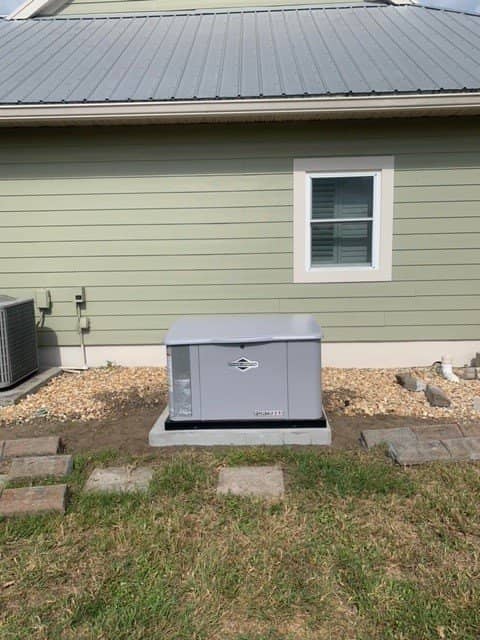
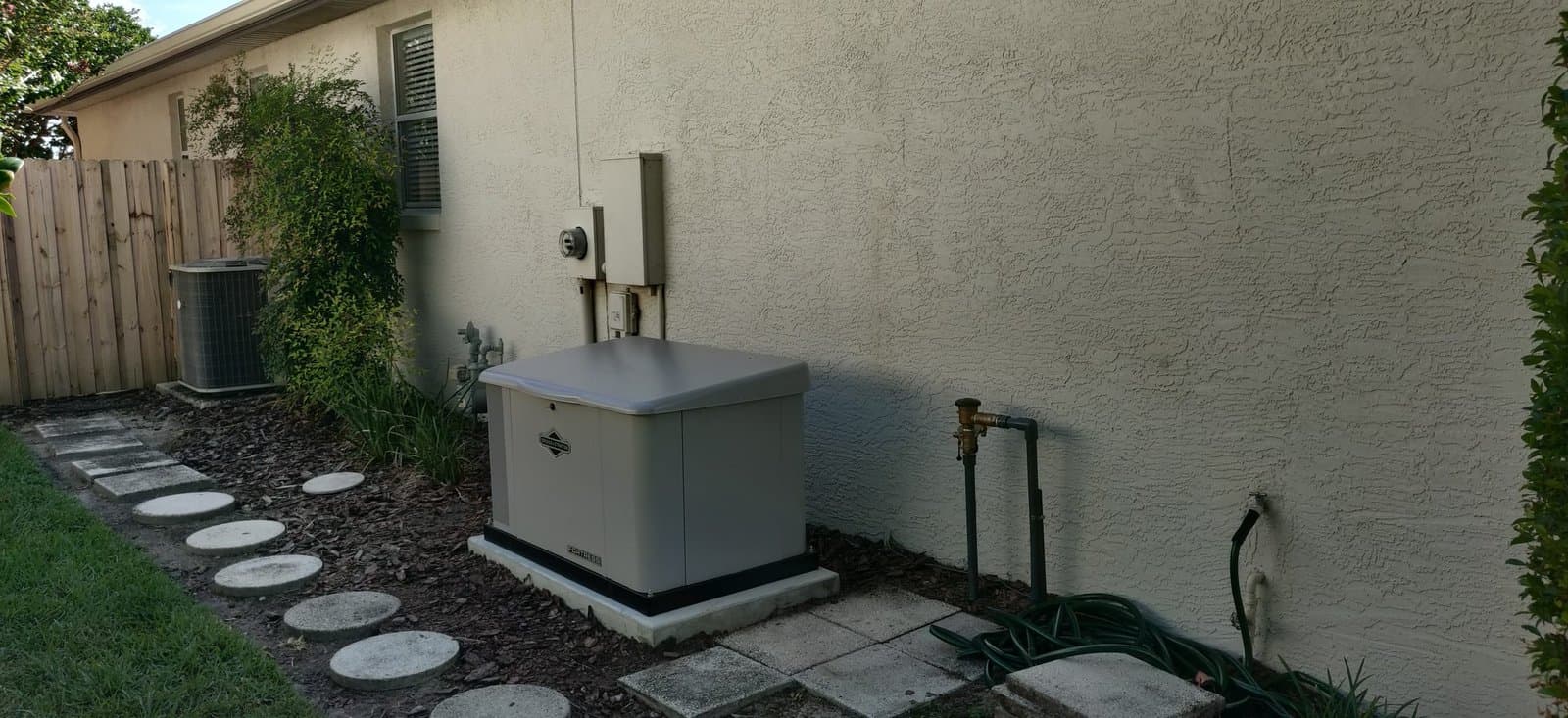
- The generator is placed on a concrete pad in the approved location (typically 18 inches or more from the home, per code)
- A licensed electrician installs an automatic transfer switch (ATS) at your main electrical panel — this is the device that detects a power outage and switches your home to generator power automatically
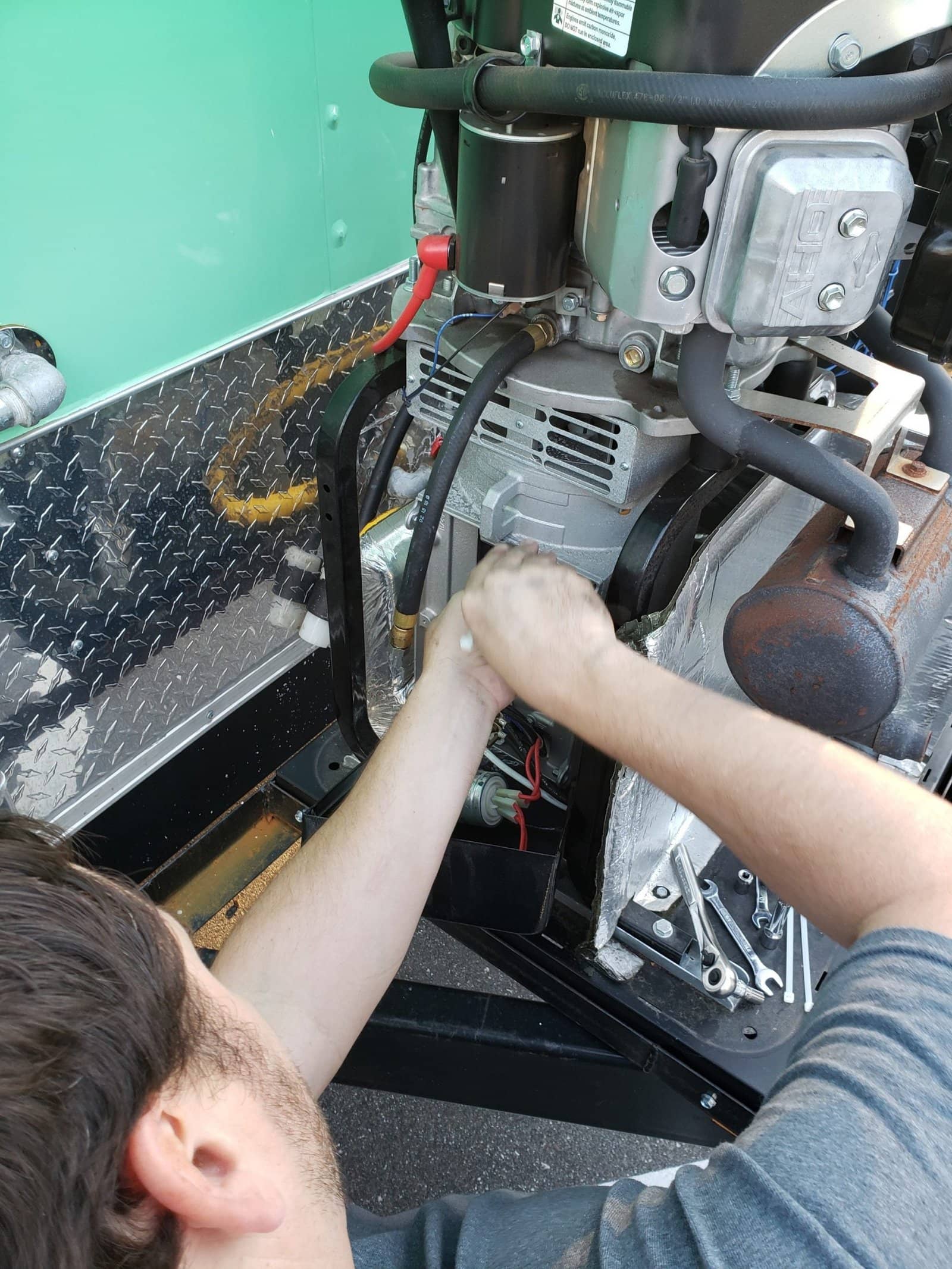
- Gas line connections are made to the generator by a qualified professional
- The system is tested under load before the crew leaves
The automatic transfer switch is the key component most homeowners don't fully appreciate until the power goes out. You don't have to be home. You don't have to do anything. The transfer switch senses the outage within seconds and your generator starts. When utility power returns, it switches back and shuts the generator off. For a deeper look at what this process involves, see our full guide on What Does A Generators Installation Service Include.
Step 4: The Final Inspection and Walkthrough
After installation, the local building department sends an inspector to verify the work was done to code. Wheeler Generators coordinates this inspection directly — you don't have to track down the permit office or figure out how to schedule it yourself.
Once the inspection clears, your technician walks you through the entire system. You'll learn how the transfer switch works, how to read the generator's status panel, how to manually start and stop the unit if needed, and what routine maintenance looks like. Nothing is left mysterious.
For more detail on what the process looks like from evaluation through final sign-off, see our step-by-step overview at Lakeland's Top Generator Services — What You Need To Know About Installation And Repair.
Optional: Remote Monitoring for When You're Away from Home
One of the most useful add-ons Wheeler Generators offers is optional remote monitoring with monthly status updates. This is especially valuable for homeowners who travel frequently, split time between Florida and another state, or own a vacation property in the area. Instead of wondering whether your generator is ready, you get a regular report and real-time alerts if the system needs attention.
A generator that hasn't been exercised or serviced can fail to start when you actually need it. Remote monitoring closes that gap without requiring you to be standing in your driveway testing it yourself.
Licensed Installation vs. Unlicensed: Why It Matters
| Factor | Licensed Contractor (Wheeler Generators) | Unlicensed or DIY Install |
|---|---|---|
| Permit pulled? | Yes — handled in-house | Often skipped |
| Insurance coverage | Maintained | May be voided |
| Final inspection | Coordinated and passed | None — code violation risk |
| Resale impact | Adds documented home value | Can flag during home inspection |
| Accountability | Licensed, insured, BBB Accredited | No recourse if work fails |
- Permits: licensed contractor pulls them in-house — vs. often skipped with unlicensed work
- Insurance: stays intact with a proper installation — vs. potentially voided without a permit
- Inspection: coordinated and cleared — vs. skipped entirely, which is a code violation
- Resale: adds documented value to your home — vs. flagged as unpermitted work during a sale
- Accountability: licensed, insured, BBB Accredited — vs. no recourse if something goes wrong
Financing Options and Getting Started
Wheeler Generators offers financing up to 48 months, including 0% financing for qualified buyers. A whole-home standby generator is a significant investment, and spreading it over time makes the decision a lot more manageable for most homeowners. All major credit cards are accepted as well.
The company serves residential and commercial customers throughout the Lakeland area and across Central Florida — from Tampa and Orlando to Kissimmee, Sarasota, Melbourne, Daytona Beach, and Gainesville. If you're within roughly 50 miles of Lakeland, you're in the service area. Explore your local options at the Lakeland standby generator services page or get full service area details on the Lakeland generator installation page.
Frequently Asked Questions
How far in advance should I schedule my standby generator installation before hurricane season?
Plan to schedule your evaluation and installation at least four to six weeks before the start of hurricane season on June 1st. Permit timelines vary by county, and demand for installations spikes as storms approach. Scheduling early ensures your generator is installed, inspected, and fully operational — not sitting in a queue — when severe weather actually hits Central Florida.
What size standby generator do I need for a typical Lakeland home?
Most single-family homes in the Lakeland area require a generator in the 14kW to 22kW range to power essential circuits including HVAC, refrigerator, lighting, and outlets. Homes with larger AC systems, well pumps, or pool equipment may need 24kW or more. The right size is determined during your free on-site evaluation, where a technician reviews your actual electrical panel and appliance loads — not just square footage.
Will a standby generator add value to my home in Florida?
Yes. A permitted, professionally installed standby generator is a documented improvement that adds real value in the Florida real estate market, where buyers are acutely aware of storm risk. According to industry estimates, a whole-home generator can add between 3% and 5% to a home's resale value. An unpermitted installation, by contrast, can create complications during a home inspection and may have to be disclosed as a deficiency.
Can Wheeler Generators service a generator I already own from a different brand?
Wheeler Generators services roughly 75% of all generator makes and models, not just the brands they sell. If you already have a generator installed — regardless of whether it's a Generac, Kohler, Honda, or another brand — the team can handle maintenance, diagnostics, and most repairs. Call 407-437-9324 to describe your unit and confirm serviceability before scheduling an appointment.
What maintenance does a standby generator need after installation?
Standby generators require annual maintenance at a minimum — typically an oil and filter change, spark plug inspection, battery test, and load test. Most manufacturers recommend service every 200 hours of run time or once per year, whichever comes first. Wheeler Generators offers maintenance service and optional remote monitoring so you always know your system's status, even when you're out of town. Skipping maintenance is the most common reason generators fail to start during an actual outage.
If you're ready to stop worrying about the next outage and start being prepared for it, Wheeler Generators makes the process straightforward. Schedule your free on-site evaluation today — appointments are available seven days a week from 8am to