Portable vs. Whole House Generator: Why Florida Homeowners Are Done Dragging Out That Gas Can
November 12, 2026 · 13 min read
Last updated: November 2026
What Is the Difference Between a Portable Generator and a Whole House Standby Generator?
A whole house standby generator is a permanently installed unit connected directly to your home's electrical system and fuel supply — it starts automatically when the power goes out, requires no manual setup, and runs on natural gas or propane. A portable generator, by contrast, must be carried outdoors, connected manually with extension cords or a transfer switch, refueled every several hours with gasoline, and operated at least 20 feet from the home to reduce the risk of carbon monoxide poisoning. For Florida homeowners dealing with hurricanes and severe weather, these differences are not minor inconveniences — they are serious safety and reliability concerns.
Is It Safe to Run a Portable Generator During a Florida Hurricane?
Running a portable generator safely during a hurricane is genuinely difficult. The U.S. Consumer Product Safety Commission (CPSC) requires portable generators to operate outdoors, at least 20 feet from the home, with exhaust pointed away from all doors and windows. In a storm — with rain, wind, and darkness — safely positioning and maintaining that equipment becomes a real challenge. The CPSC estimates that gasoline-powered portable generators cause approximately 85 carbon monoxide deaths in the U.S. each year, with 81% of generator-related incidents occurring in or around residential locations. A permanently installed standby generator eliminates that outdoor setup entirely.
Why "I'll Just Use My Portable Generator" Is Riskier Than Most Florida Homeowners Realize
We hear it often: "I've got a portable generator in the garage — I'm covered." It's an understandable position. Portable units cost less upfront, they're sold at big-box stores, and they seem like a practical backup plan. But when an actual outage hits — especially during a Florida hurricane — the reality of owning and operating a portable generator becomes clear very quickly.
The Physical Reality of Portable Generator Use in a Storm
Think through what a portable generator actually requires the moment your power fails:
- Find and move it: Portable generators are heavy. Moving one out of a garage or shed in the middle of a storm, possibly in the dark, is physically demanding and genuinely dangerous.
- Place it correctly: The CPSC mandates at least 20 feet of clearance from your home, with exhaust directed away from windows, doors, and vents. In a yard with standing water or debris, finding that safe zone under pressure is far harder than it sounds.
- Connect it manually: Without a properly installed transfer switch, you're running extension cords — a patchwork solution that won't power your HVAC, refrigerator, or medical equipment the way a whole-home system will.
- Fuel it repeatedly: A typical portable unit burns through gasoline every 8–12 hours under load. During a multi-day outage, you'll need a reliable fuel supply — and refueling a hot generator is a fire and burn hazard. The CPSC specifically warns that generators must be turned off and allowed to cool completely before adding fuel.
The Carbon Monoxide Risk Is Not Theoretical
Carbon monoxide (CO) is odorless, colorless, and fast-acting. The CPSC's data — approximately 85 CO deaths per year attributed to gasoline-powered portable generators, with 81% of incidents in residential locations — reflects real families in real homes making the same assumptions many Florida homeowners make. The moment a portable unit is moved indoors, into a garage, or too close to a window because of rain or exhaustion, the risk becomes acute. A whole-house standby generator, permanently sited and professionally vented, removes that variable from the equation entirely.
How a Permanently Installed Whole House Generator Actually Works
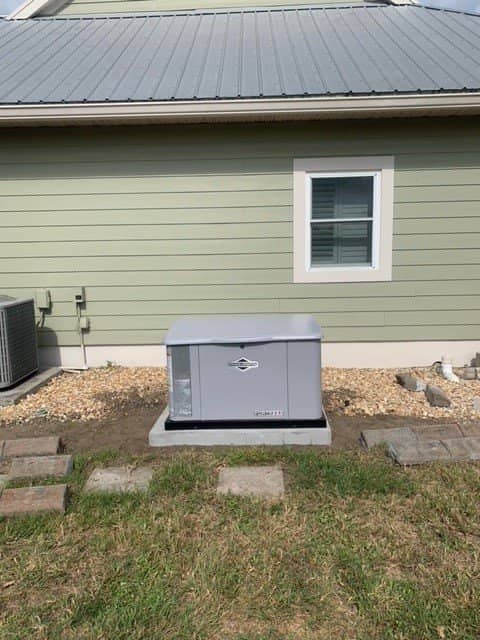
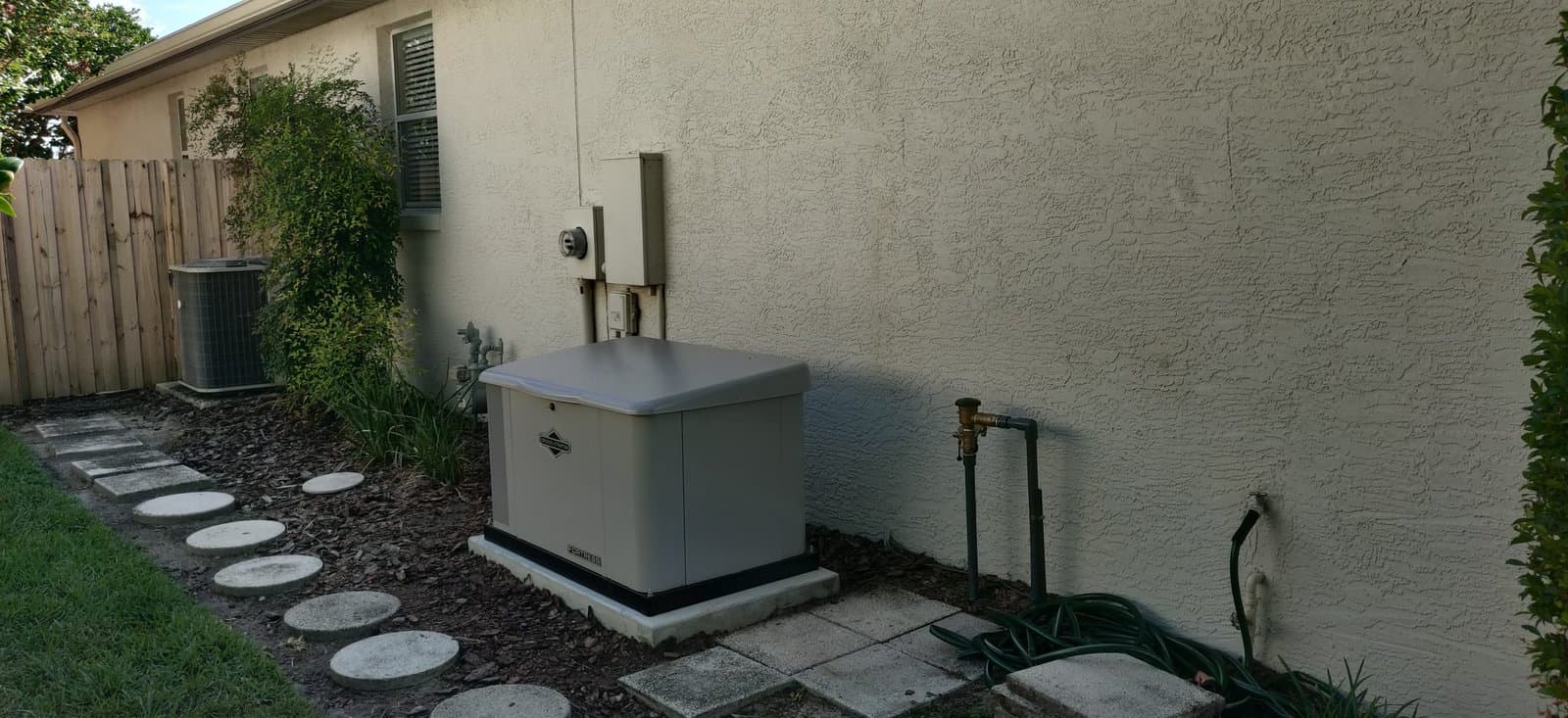
A standby generator sits on a concrete pad outside your home, connected to your natural gas or propane supply and wired directly into your home's electrical panel through an automatic transfer switch (ATS). When grid power fails — even at 2 a.m. while you're asleep — the transfer switch detects the outage and signals the generator to start. Within seconds, your home's power is restored. No one has to go outside. No one has to pull a cord. No one has to think about fuel.
When power is restored from the grid, the transfer switch hands control back automatically and the generator shuts down. The whole cycle happens without any intervention from you or your family.
What the Installation Process Looks Like
At Wheeler Generators, we walk every homeowner through the full process — because a permanently installed generator done right is a very different experience than one rushed through without proper oversight:
- Free on-site evaluation: We visit your home (7 days a week, 8 a.m.–8 p.m.) to assess your square footage, electrical load, fuel options, and the best placement for the unit.
- Sizing and equipment selection: We recommend the right generator from our in-stock inventory of authorized Generac, Kohler, Briggs & Stratton, and Champion Power Equipment units — matched to your actual power needs, not just a generic estimate.
- Permitting: Because we hold an in-house Florida electrical contractor license (EC13007281), we handle the permitting process directly. No subcontracting, no delays waiting on a third party.
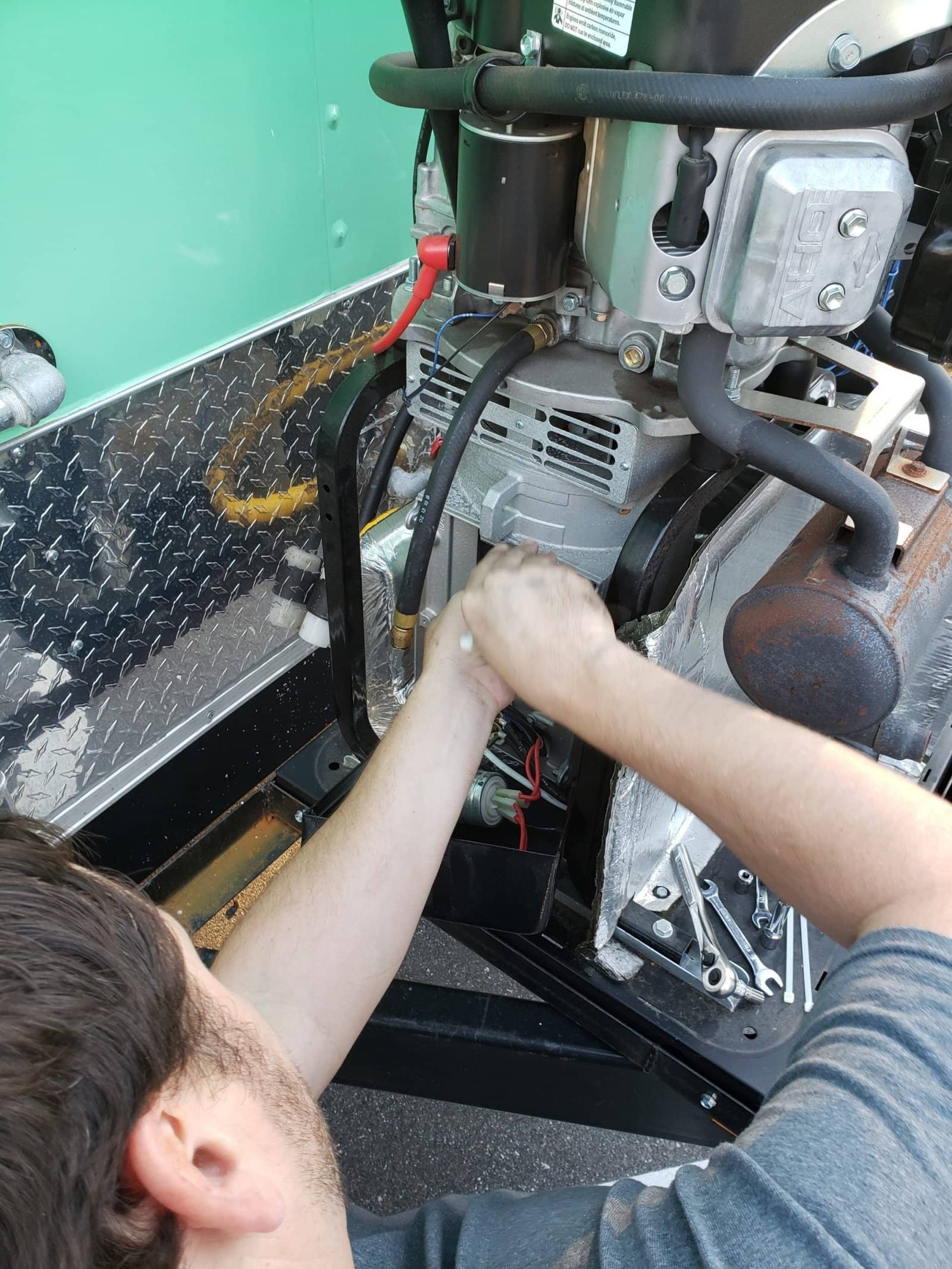
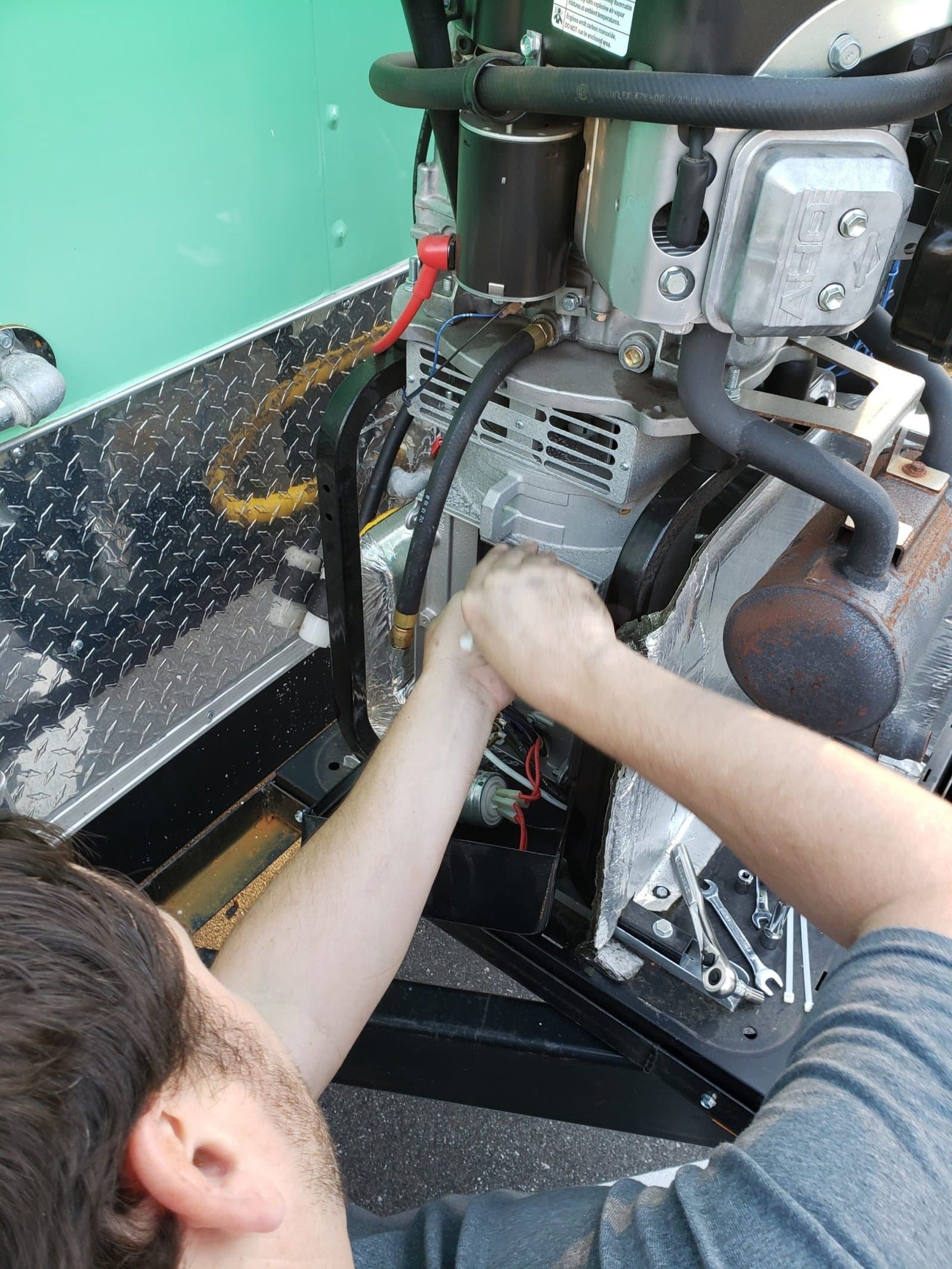
- Professional installation: Our certified technicians install the generator, pour or position the concrete pad, connect the fuel line, wire the automatic transfer switch, and ensure everything meets Florida code requirements.
- Inspection and walkthrough: After inspection, we walk you through how the system operates, what to expect during an outage, and how to schedule ongoing maintenance.
Installation Quality Matters as Much as Generator Type
It is worth saying plainly: a permanent standby generator is only as reliable as the installation behind it. Improper siting, incorrect fuel connections, poorly wired transfer switches, or skipped inspections can create electrical, fire, or carbon monoxide hazards just as serious as those associated with portable units. The value of working with a licensed, experienced contractor — not a handyman or a big-box store installer — is exactly this: the system is engineered, installed, and inspected correctly, so it performs when your family needs it most. Wheeler Generators has served Central Florida homeowners for over a decade, and our in-house license means every installation is our direct responsibility.
Why Choose Wheeler Generators for Whole House Generator Installation?
Florida homeowners from Kissimmee to Tampa and from Melbourne to Daytona Beach trust Wheeler Generators because we bring every piece of the process in-house:
- Authorized dealer for Generac, Kohler, Briggs & Stratton, and Champion Power Equipment
- In-house Florida electrical contractor license (EC13007281) — no subcontractors for electrical work
- Generators in stock and ready to install once permits are approved
- On-site evaluations 7 days a week, 8 a.m.–8 p.m., at no charge
- Service roughly 75% of all generator makes and models — we can maintain what we install and repair what others didn't
- Optional remote monitoring with monthly status updates — ideal if you travel or spend time away from home
- BBB Accredited Business, licensed and insured
- Financing available up to 48 months, including 0% financing for qualified buyers
If you're in the Lakeland area or anywhere within our 50-mile service radius — including Sarasota, Orlando, and Gainesville — we are ready to come to you.
Frequently Asked Questions
Can I just use a portable generator with a transfer switch instead of a whole-house standby unit?
A portable generator connected through a properly installed manual transfer switch is safer than running extension cords, but it still requires you to set up the unit outdoors, fuel it regularly, and monitor it during the outage. A whole-house standby generator with an automatic transfer switch eliminates all of those steps. For Florida homeowners dealing with multi-day hurricane outages, that difference in effort and reliability is significant — especially if anyone in the home has medical needs or mobility limitations.
How far does a portable generator need to be from the house, and why does that matter?
The CPSC requires portable generators to operate at least 20 feet from the home, with exhaust directed away from all windows, doors, and vents. This is because portable generators produce carbon monoxide — an odorless, colorless gas that can reach dangerous concentrations indoors very quickly. During a storm, positioning and maintaining that safe distance under difficult conditions is a real challenge. A permanently installed standby generator is sited, vented, and inspected by a licensed professional precisely to meet these safety requirements from day one.
What fuel does a whole house standby generator use, and does that make it easier to maintain?
Most permanently installed whole-house generators run on natural gas or propane — both of which are delivered through existing utility lines or on-site tanks, not hauled in gas cans. This removes one of the most hazardous parts of portable generator ownership: storing and transferring gasoline before and during a storm. Your Wheeler Generators technician will assess your fuel options during the free on-site evaluation and recommend the right setup for your home and location.
How quickly does a standby generator turn on after the power goes out?
A properly installed standby generator with an automatic transfer switch typically restores power to your home within seconds of detecting an outage. The system monitors utility power continuously, and when it senses a failure, it signals the generator to start and transfers the load automatically. Most homeowners report that their lights flicker briefly and then come back on — often before they've even realized the grid went down.
Does a whole house generator require regular maintenance, and who handles that?
Yes — a standby generator is a mechanical system and requires periodic maintenance, including oil and filter changes, battery checks, coolant inspection, and load testing. Wheeler Generators offers maintenance services throughout our service area, and our optional remote monitoring plan provides monthly status updates so you always know your system is ready. Keeping up with maintenance is the single most important thing you can do to ensure the generator performs during an actual outage. Learn more on our generator maintenance page for Orlando or our Lakeland standby generator installation page.
What happens if my existing generator — portable or standby — needs repair?
Wheeler Generators provides repair services for roughly 75% of all generator makes and models — not just the brands we sell. If your current unit isn't starting, isn't producing the right power output, or hasn't been serviced in years, our certified technicians can diagnose and repair it. Visit our generator repair page or call us to schedule a service visit anywhere in our 50-mile service radius.
How do I get started with a whole house generator installation from Wheeler Generators?
The first step is a free on-site evaluation. One of our licensed technicians visits your home — 7 days a week, 8 a.m. to 8 p.m. — to assess your power needs, recommend the right generator size and brand, and walk you through the full installation process including permitting and timeline. There is no obligation. Call us at 407-437-9324 or email cwlittlewolf@gmail.com to schedule your appointment.
Ready to stop relying on a portable unit? Wheeler Generators serves Lakeland, Tampa, Orlando, Sarasota, Melbourne, Daytona Beach, Kissimmee, Gainesville, and the surrounding communities. Request a free on-site evaluation today — call 407-437-9324 or email cwlittlewolf@gmail.com. Office hours: Monday–Friday, 8:00 a.m.–4:30 p.m.; on-site evaluations available 7 days a week, 8 a.m.–8 p.m.