Portable Generator vs. Whole House Generator: Why Florida Homeowners Are Making the Switch
November 17, 2026 · 12 min read
Last updated: November 2026
What Is the Difference Between a Portable Generator and a Whole House Standby Generator?
A whole house standby generator is a permanently installed unit connected to your home's electrical system and a fixed fuel supply — it starts automatically within seconds of a power outage, requires no manual setup, and runs without refueling during the storm. A portable generator, by contrast, must be carried outdoors, set up at least 20 feet from the home, manually connected to appliances, and refueled repeatedly while the outage continues.
Is It Safe to Run a Portable Generator During a Florida Hurricane?
Running a portable generator during a Florida hurricane carries significant safety risks. The U.S. Consumer Product Safety Commission (CPSC) reports that gasoline-powered portable generators cause approximately 85 U.S. carbon monoxide deaths annually, with 81% of generator-related incidents occurring in residential locations. Safe operation requires keeping the unit at least 20 feet from the home with exhaust directed away from all doors and windows — a difficult standard to meet in heavy rain and wind. Portable generators must also be turned off and allowed to cool before refueling, adding another hazardous step in an already stressful situation.
Does a Whole House Generator Turn On Automatically During a Power Outage?
Yes. A permanently installed standby generator monitors your utility power continuously. The moment grid power fails — day or night, whether you're home or away — it starts automatically through an automatic transfer switch (ATS) and restores power to your home, typically within seconds. No extension cords, no manual switches, no trips outside in a storm.
Why Florida's Storm Season Exposes Every Flaw in a Portable Generator Plan
Florida homeowners know the drill: a named storm enters the Gulf or Atlantic, and every hardware store in a 200-mile radius sells out of portable generators within hours. People buy them as a backup plan, and that's understandable. But the reality of running a portable unit through a multi-day outage — which Florida storms routinely deliver — is far more demanding than the box in the store suggests.
The Setup Burden Nobody Talks About
Before you run a portable generator, you have to get it outside, position it safely away from the house, connect it to the appliances you need to power (usually through extension cords or a manual transfer switch), and verify the exhaust is clear of windows and vents. The CPSC is explicit: the generator must operate at least 20 feet from the home with exhaust directed away from every opening. In a tropical storm, that means you're doing all of this in wind and rain, in the dark, potentially multiple times over several days.
Refueling: The Hidden Hazard at the Worst Possible Moment
Gasoline portable generators need fuel — and during an extended outage, that means multiple refueling runs. Gas stations in storm-affected areas are frequently out of fuel, closed, or backed up for hours. And when you do refuel, the generator must be shut down and cooled first. Running out of fuel mid-storm, then waiting for the engine to cool before you can restart your refrigerator, is the kind of experience that changes how people think about backup power permanently.
Carbon Monoxide Risk Is Not Theoretical
The CPSC's figure of approximately 85 portable generator-related CO deaths per year in the U.S. is not a fringe statistic — it represents real families, many of them doing everything they thought was right. Carbon monoxide is invisible and odorless, and the temptation to move a generator closer to the house in severe weather is exactly what turns an inconvenient situation into a fatal one. A permanently installed standby generator is engineered and sited professionally, with ventilation built into the installation plan from the start.
What a Permanently Installed Whole House Generator Actually Does for You
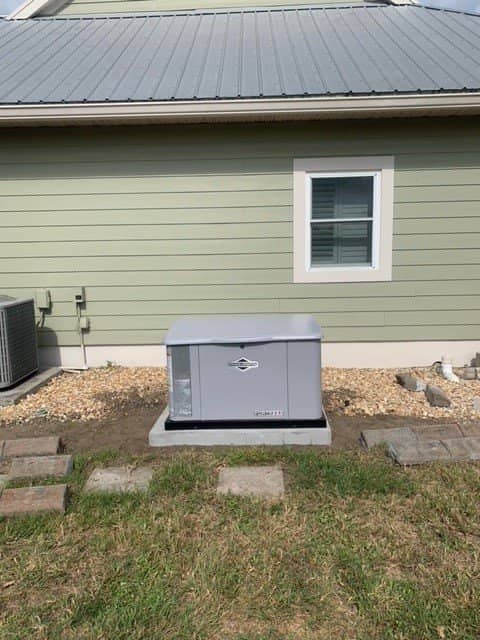
A standby generator installed by a licensed professional doesn't ask anything of you when the power goes out. It simply comes on. Here's what that looks like in practice:
- Automatic start: The automatic transfer switch detects the outage and starts the generator — usually within 10 to 30 seconds — without any action on your part.
- Whole-home coverage: Unlike a portable unit powering a few appliances through extension cords, a properly sized standby generator can power your entire home: HVAC, refrigerator, lights, medical equipment, sump pump, and security system.
- Fixed fuel supply: Most standby generators run on natural gas or propane connected directly to your home's supply, eliminating the need to store or haul gasoline during a storm.
- Runs while you're away: If a storm hits while you're traveling, a standby generator protects your home automatically. Optional remote monitoring lets you receive monthly status updates and stay informed from anywhere.
- No extension cords, no manual transfers: The automatic transfer switch handles the electrical connection safely and legally, protecting utility workers and your home's wiring.
Why Installation Quality Is Just as Important as Generator Type
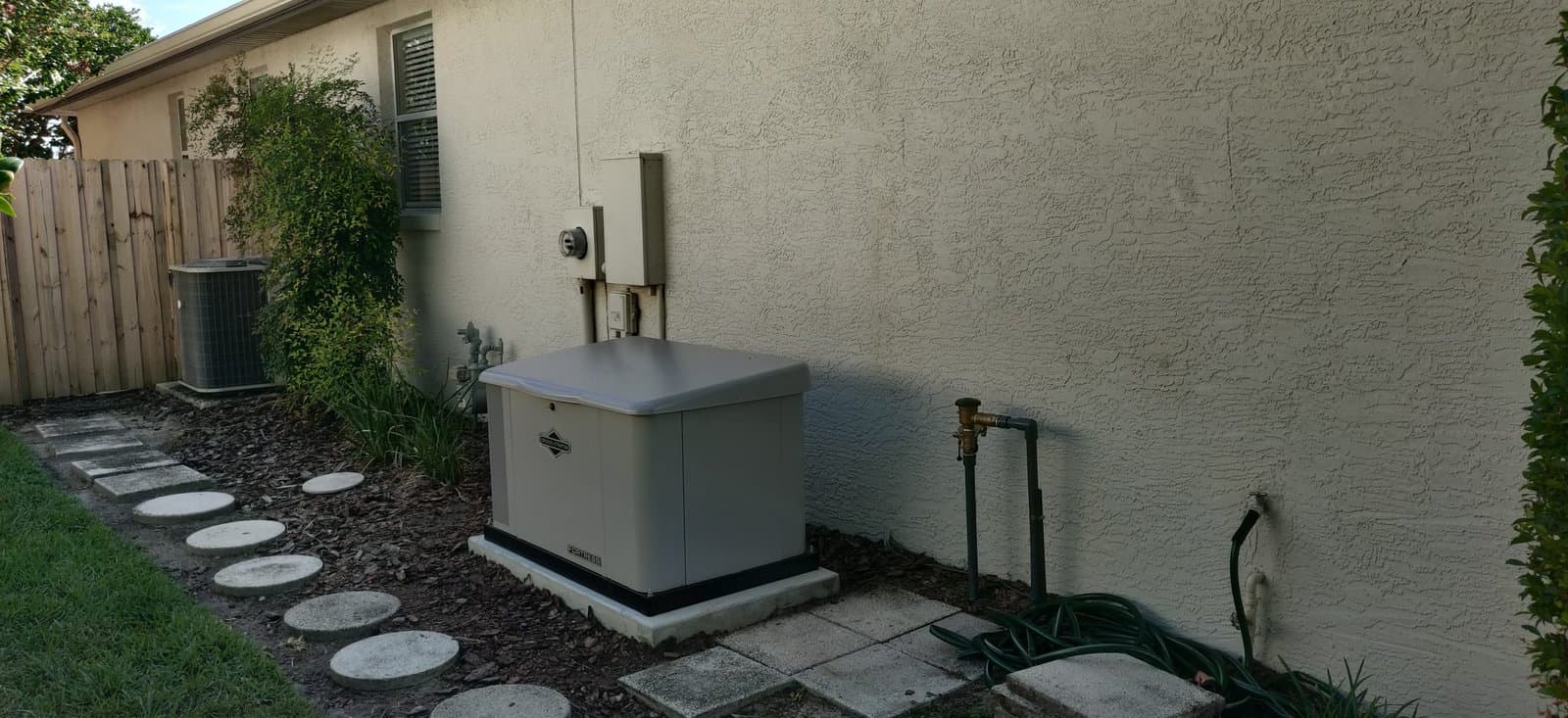
Choosing a standby generator over a portable unit is only half of the decision. A permanent system still requires professional siting, correct ventilation, a properly sized electrical connection, compliant fuel supply, and full adherence to local building codes. Improper installation — even of a quality generator — can create the same electrical, fire, or carbon monoxide risks you were trying to avoid. This is why working with a licensed, experienced installer matters as much as the brand on the nameplate.
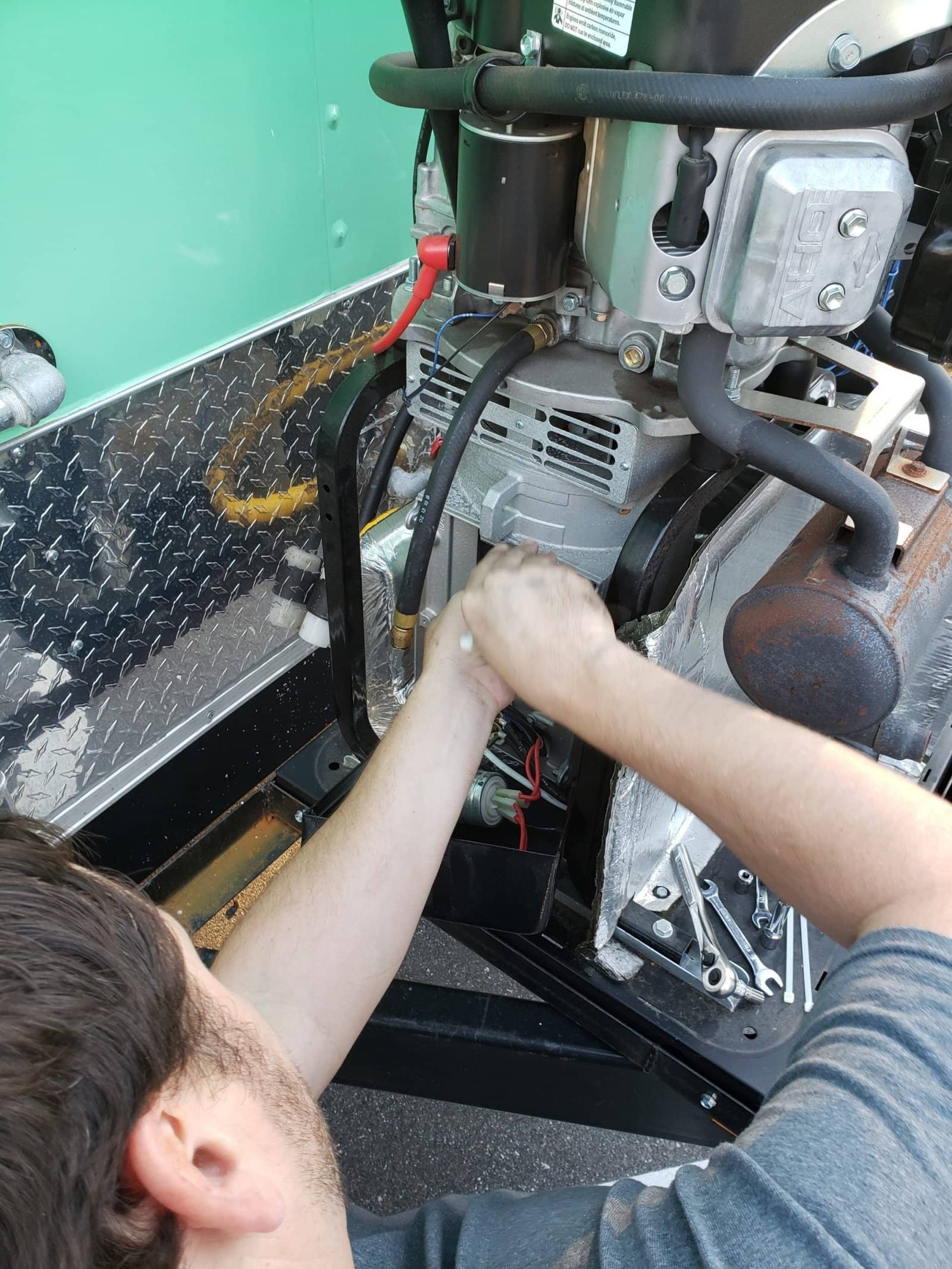
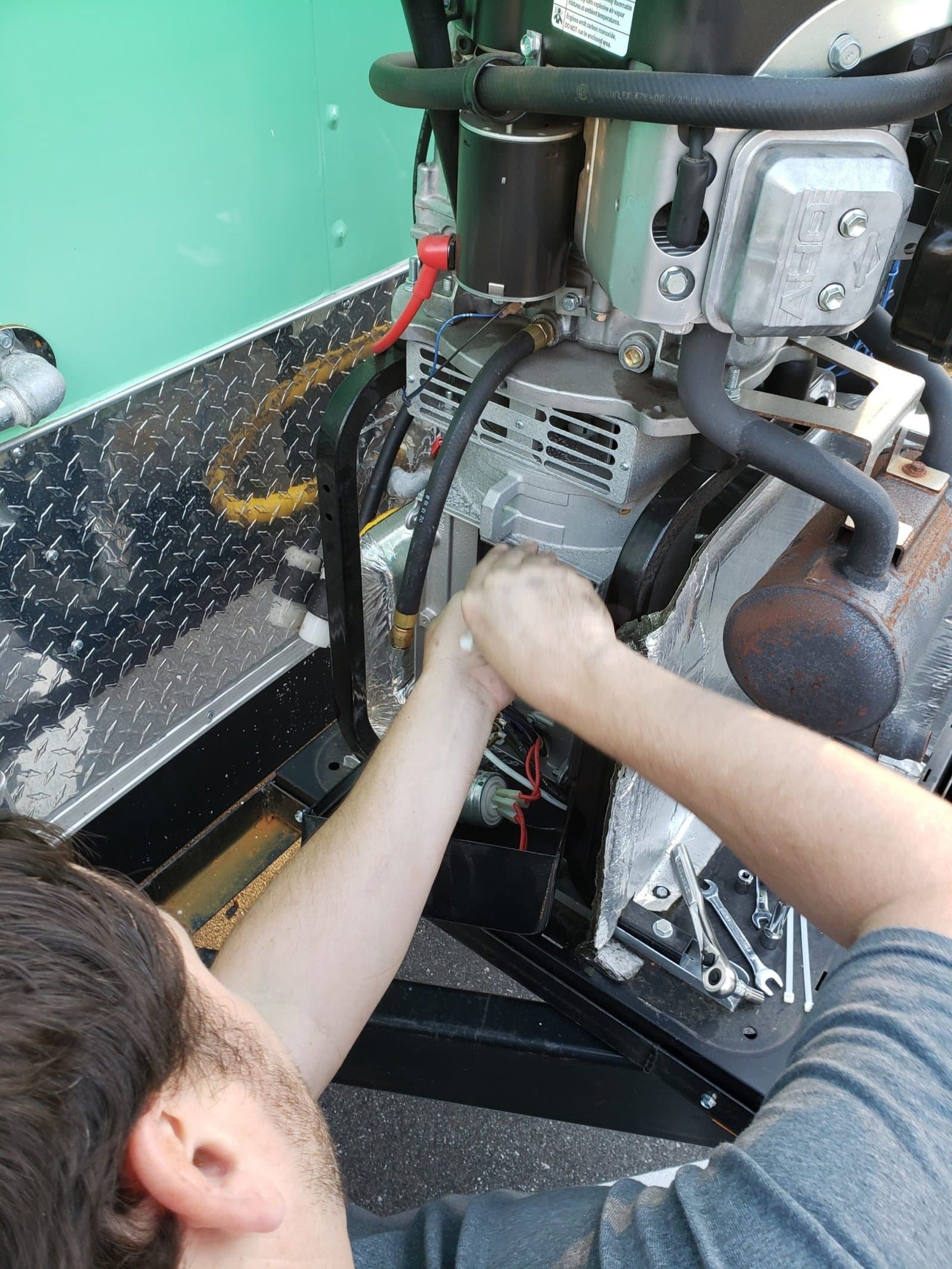
At Wheeler Generators, every installation is handled under our in-house Florida electrical contractor license EC13007281. We've spent over a decade installing and servicing generators across Central Florida, and we pull the proper permits, pass the inspections, and walk every customer through their system before we consider the job complete. We carry generators in stock, ready to install once permits are approved — so you're not waiting weeks when storm season arrives.
Why Central Florida Homeowners Choose Wheeler Generators
- Authorized dealer for Generac, Kohler, Briggs & Stratton, and Champion Power Equipment — you get factory-backed equipment and warranty support.
- In-house electrical contractor license EC13007281 — no subcontracted electricians, no liability gaps.
- On-site evaluations 7 days a week, 8am–8pm — we work around your schedule.
- Service for roughly 75% of all generator makes and models — we're not just a sales operation; we maintain and repair what we sell.
- Optional remote monitoring with monthly status updates — ideal for seasonal residents and frequent travelers.
- Financing available up to 48 months, including 0% financing for qualified buyers.
- BBB Accredited Business, licensed and insured.
- Service area covers Lakeland and a 50-mile radius — from Daytona to Melbourne, Sarasota to Tampa.
Whether you need generator installation in Lakeland, FL, a whole house generator in Tampa, FL, or a standby generator in Orlando, FL, our team is ready to help you find the right system for your home and have it installed correctly.
Frequently Asked Questions
Can I just use a portable generator and save myself the installation hassle?
You can, but the trade-offs are significant. Portable generators require you to manually set them up outdoors at least 20 feet from your home, connect appliances yourself, and refuel repeatedly — all during a storm. They also carry a meaningful carbon monoxide risk if not used exactly as directed. A standby generator eliminates all of that by starting automatically and running on a fixed fuel supply. For a Florida home facing hurricane-length outages, the permanently installed option is the more reliable and far less stressful choice.
How long does it take for a standby generator to turn on after the power goes out?
Most permanently installed standby generators, connected through an automatic transfer switch, restore power to your home within 10 to 30 seconds of a grid outage. The generator monitors utility power continuously and starts on its own — you don't have to be home, awake, or even aware the power went out. For sensitive electronics or medical equipment, discuss response time with your installer to ensure the right configuration for your needs.
What fuel does a whole house standby generator use?
Most whole house standby generators run on natural gas or liquid propane, supplied through a fixed connection to your home. This eliminates the need to store or transport gasoline, which is one of the biggest logistical challenges of portable generator ownership during a storm. Your Wheeler Generators technician will evaluate your existing fuel supply during the on-site assessment and recommend the right configuration for your property.
Do I need a permit to install a whole house generator in Florida?
Yes. In Florida, installing a permanently connected standby generator requires electrical and mechanical permits, and the installation must meet local building codes. Wheeler Generators manages the permitting process for every installation under our in-house electrical contractor license EC13007281, so you're not navigating that process alone. We schedule inspections, pass them, and complete a full walkthrough with you before the job is closed out.
What happens to my standby generator if I'm out of town when a storm hits?
A standby generator starts automatically regardless of whether you're home, so your property stays protected. Wheeler Generators also offers optional remote monitoring with monthly status updates, giving you visibility into your generator's condition from anywhere. This is especially valuable for seasonal Florida residents and homeowners who travel frequently during hurricane season. You'll know your home is protected even when you're not there to see it firsthand.
Does Wheeler Generators service generators they didn't install?
Yes. Wheeler Generators services roughly 75% of all generator makes and models, not just the brands we sell. If you already have a generator that needs repair, maintenance, or inspection, our certified technicians can evaluate it and get it running reliably. We serve Lakeland and a 50-mile radius, including generator repair in Sarasota, generator maintenance in Gainesville, and surrounding areas.
How do I get started with a whole house generator installation?
The first step is a free on-site evaluation. One of our technicians visits your home, assesses your electrical panel, fuel supply, and the right generator size for your needs, and walks you through the full process — including permitting, installation timeline, and how the automatic transfer switch works. We offer evaluations 7 days a week from 8am to 8pm. Call us at 407-437-9324 or email cwlittlewolf@gmail.com to schedule yours.
Ready to stop relying on a portable unit? Schedule your free on-site evaluation with Wheeler Generators today. We serve Lakeland, Tampa, Orlando, Sarasota, Melbourne, Daytona Beach, Kissimmee, Gainesville, and everywhere in between. Call 407-437-9324 or email cwlittlewolf@gmail.com — on-site evaluations available 7 days a week, 8am–8pm. Request a free quote online.