You’ve finally decided you want to say bye to the bad days of power outages by considering a generator.
However, before the purchase, it’s crucial to have in mind these two considerations:
- What size of generator should you buy
- Which type meets your home's energy demand
Types of generators for home use
There are only two options in the case of generators for home use:-
- Portable generators
- Standby generators
- Portable generators Portable generators can support up to 7500 watts, and they are less expensive compared to standby generators. For an average household, these generators can meet your energy demand. However, please take note that for it to power selected circuits, this generator needs a sub-panel. It is also advisable to have gasoline in store as back, in case it runs out, which places you at risk of carbon monoxide inhalation. Plus, they are very noisy.
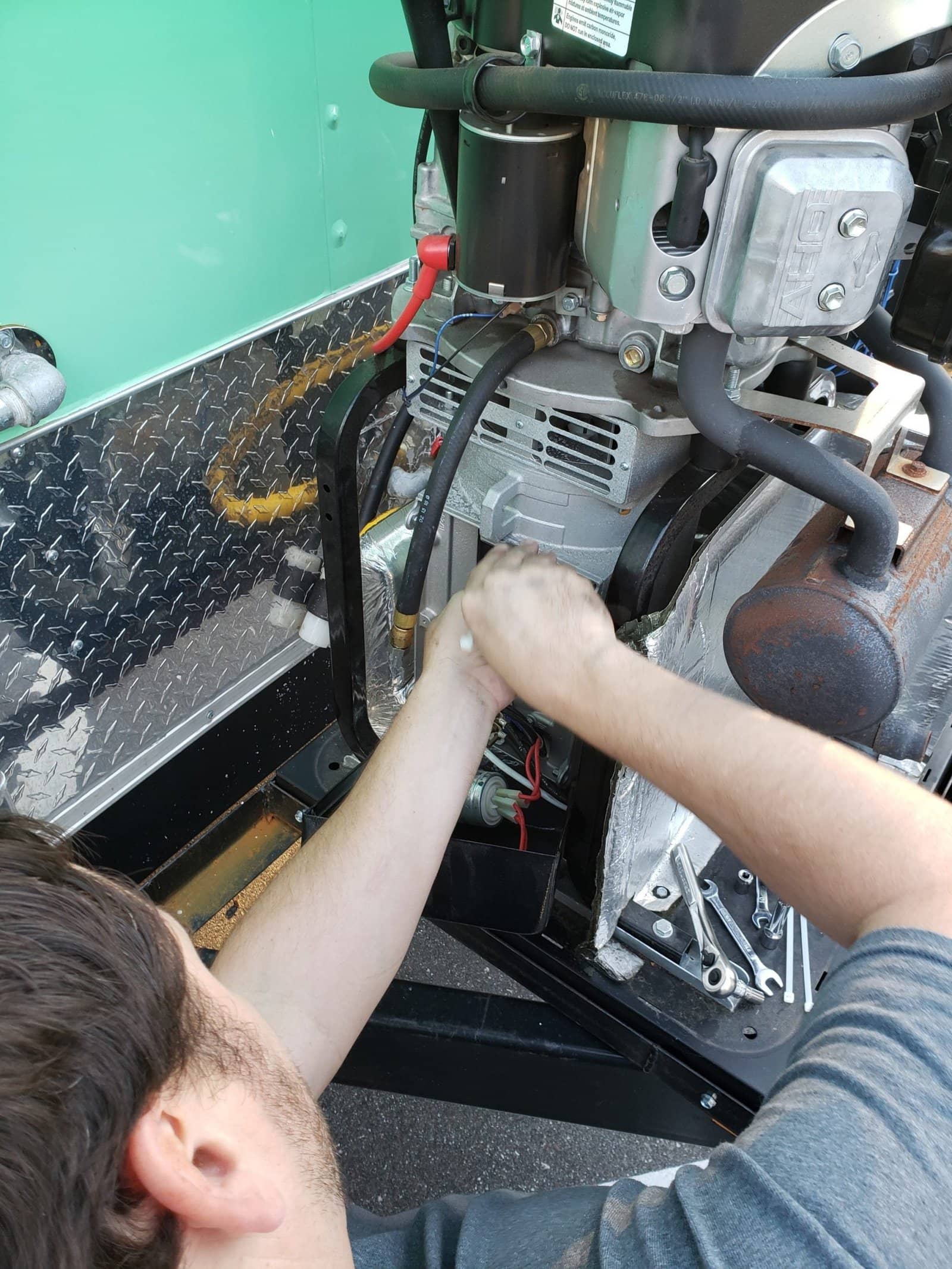
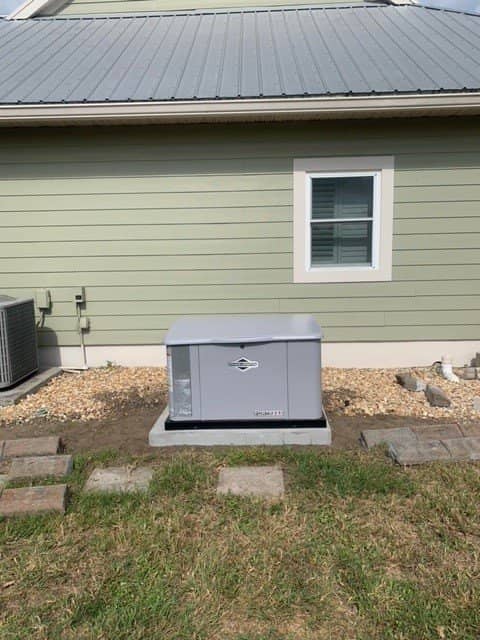
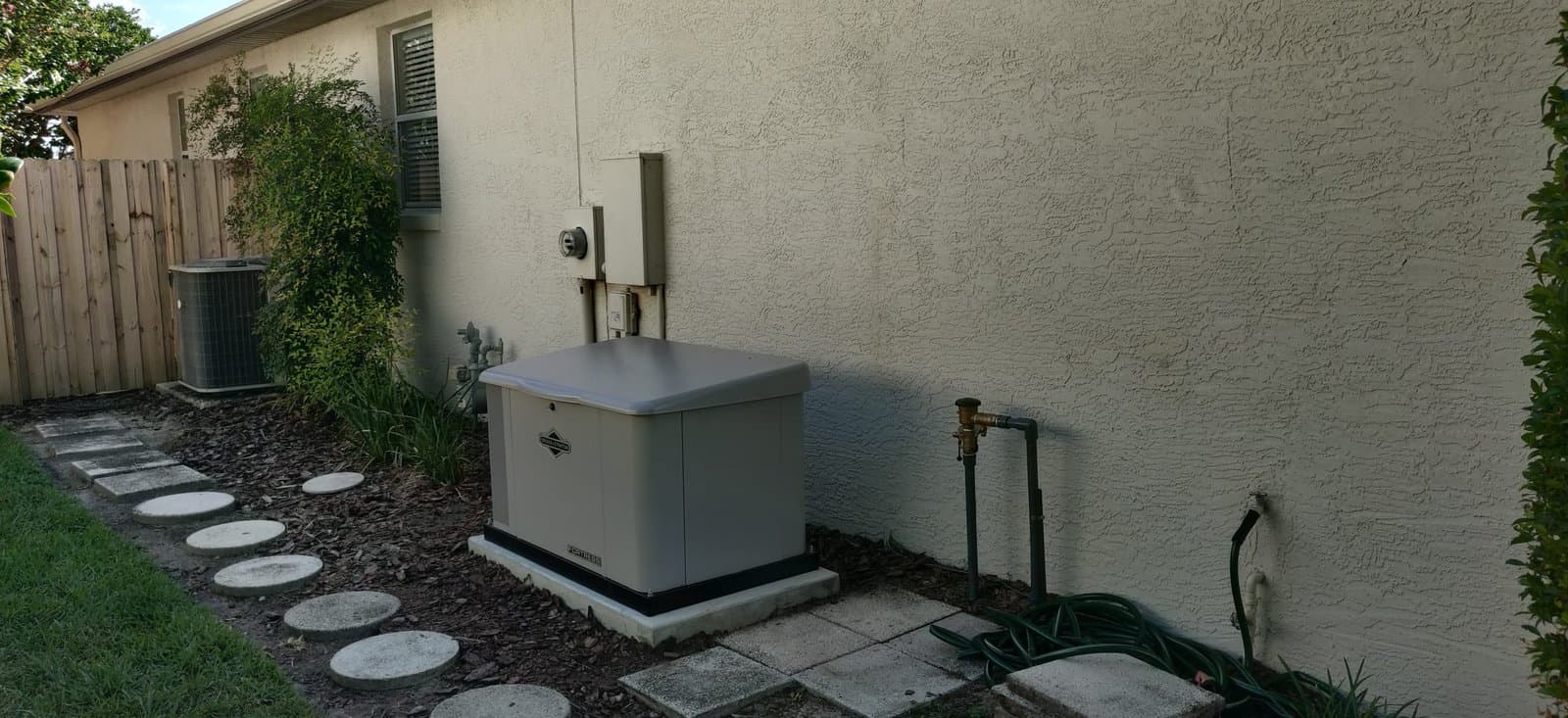
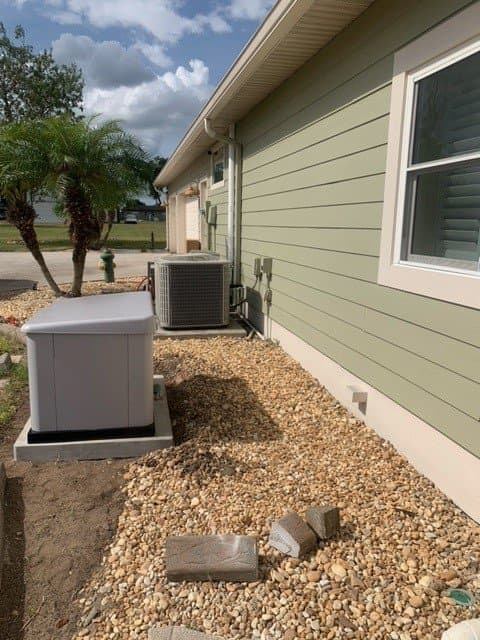
- Standby generators Standby means, when the electricity goes out, the generator immediately switches on without you having to power it. If your area frequently loses power, this is the right generator for you. It offers up to 20,000 watts, and it weighs more. Unlike portable generators that can be easily moved around, these standby generators are permanently installed just next to your house. They use propane or natural gas supply, which is often buried underground. They are a quieter option, and they can power most of your appliances at the same time. Although it’s a convenient option, the cost of a standby generator installation costs just as much as the generator itself.